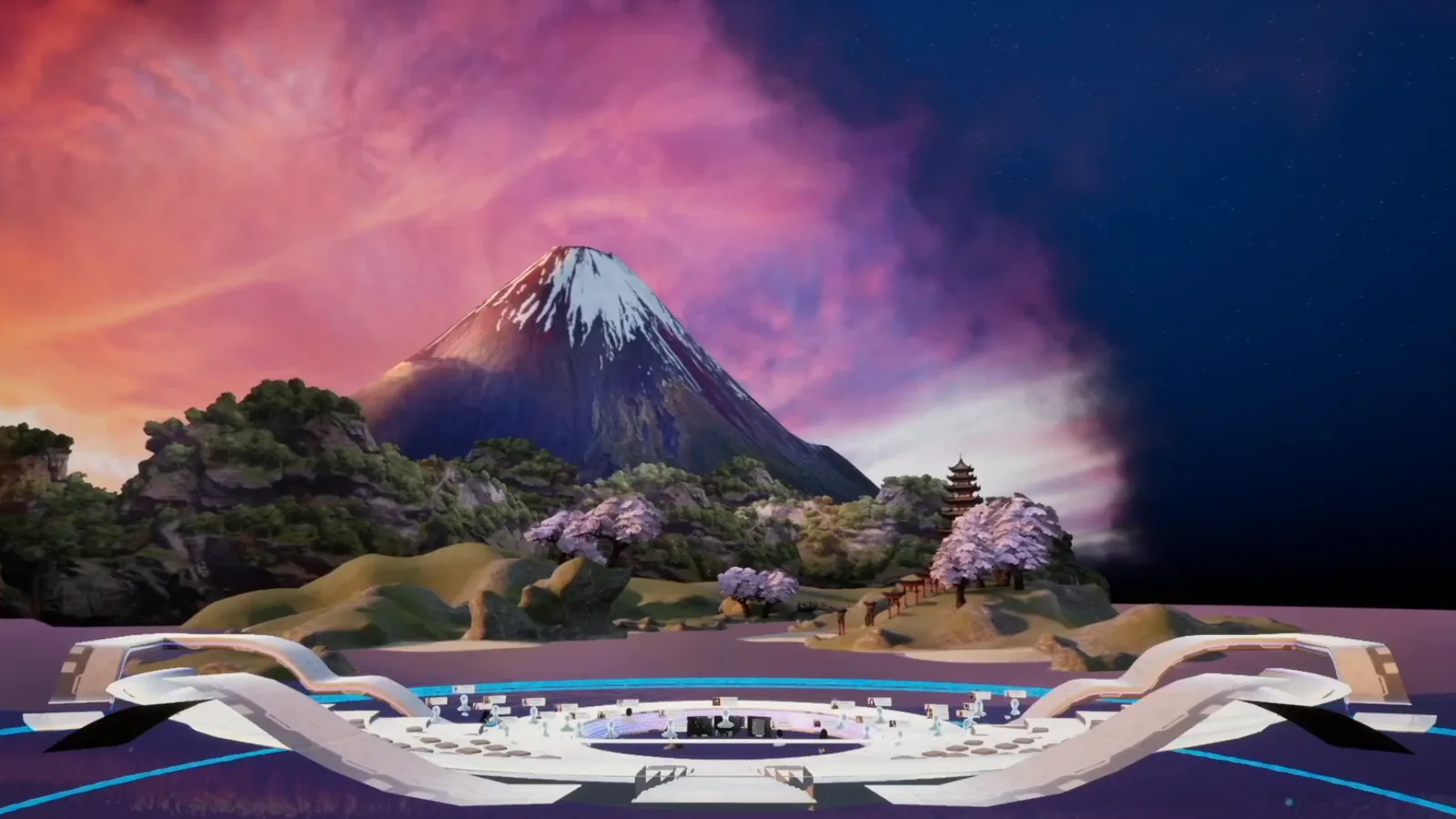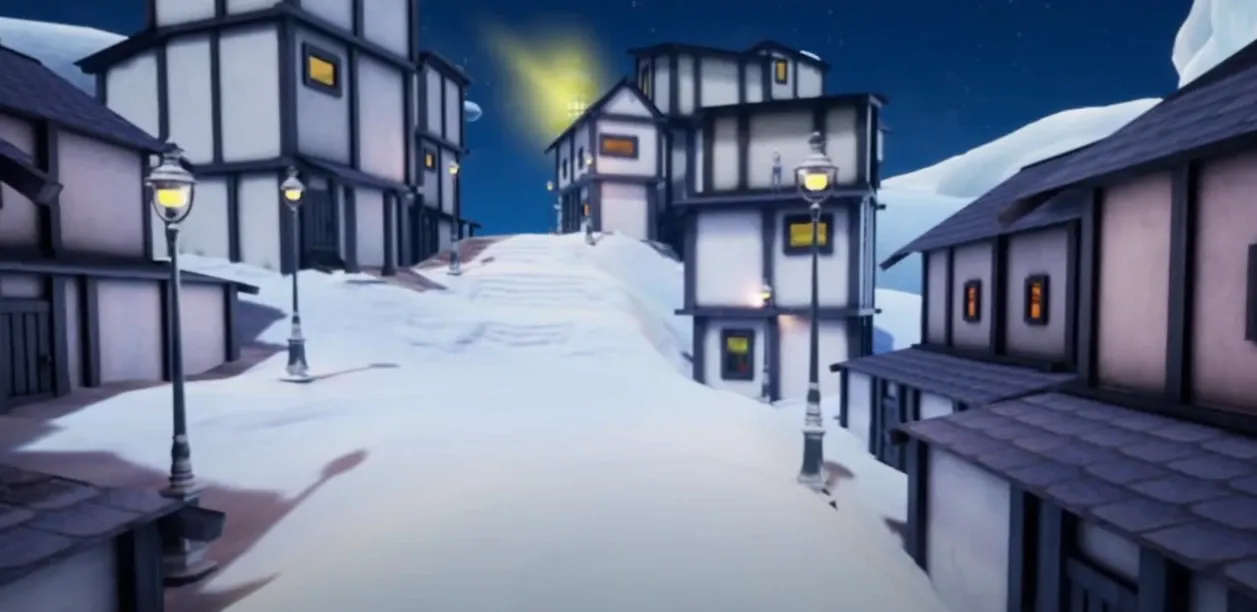
A virtual reality distraction and relaxation programme for people with cancer and their families during chemotherapy and psychological care: distraction experiences in imaginary worlds and relaxation, breathing and body-scan content. It has been used in hospitals in Madrid, Barcelona, Navarre, the Balearic Islands and Galicia.
- Client
- Asociación Española Contra el Cáncer (AECC)
- Years
- 2018 – 2021
- Sector
- Healthcare · Oncology · Psycho-oncology
- My role
- Product design, narrative design and content direction
- Platform
- Oculus Quest 2 · Unreal Engine
- Status
- Pilot in 2018 and validation in 2021 in three hospitals (not a clinical trial). Since 2024, AECC has taken it to hospitals in the Balearic Islands and Galicia.
01The challenge
Chemotherapy and psychotherapy sessions bring anxiety and stress, and chemotherapy also pain. Around half of people receiving chemotherapy experience emotional distress or anxiety related to the treatment.
02What I brought
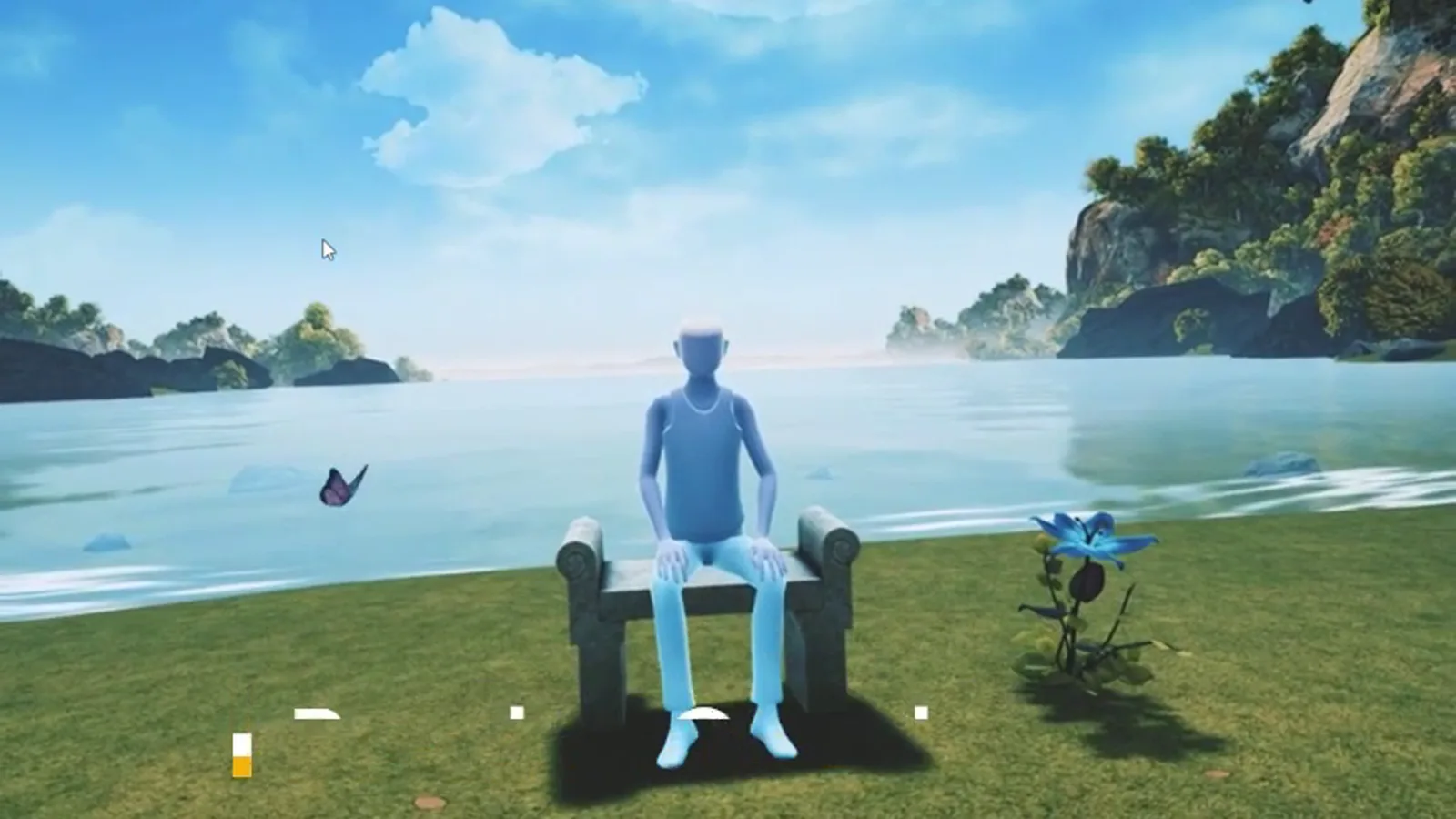
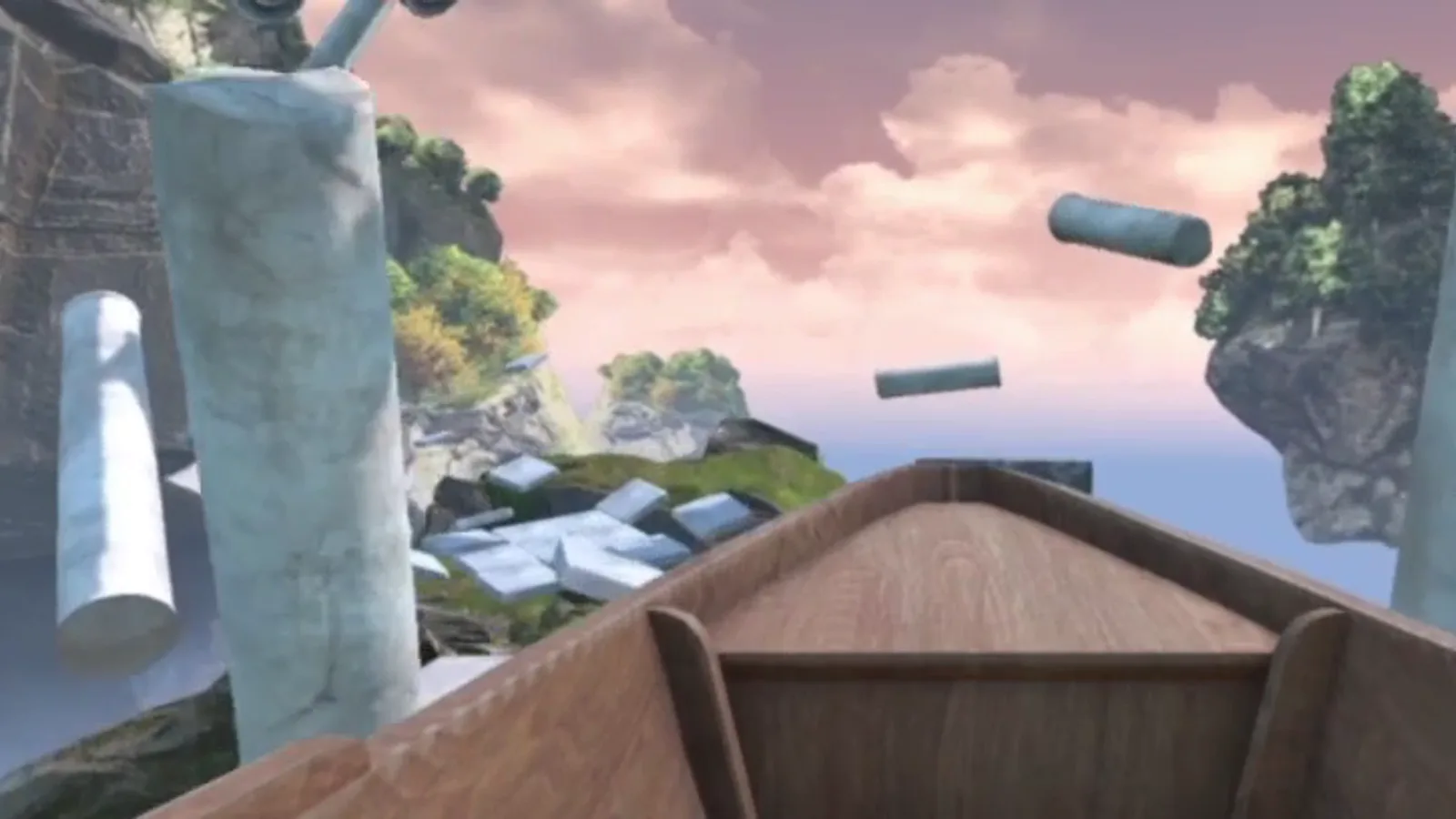
- Motion sickness (cybersickness) and physical and cognitive discomfort are still the main barriers to mass adoption and prolonged use of virtual reality, especially in clinical settings and with patients on medication that causes pain, dizziness and photophobia. My main challenge and goal was to design an experience concept that counteracts these technological barriers.
- I designed and supervised the development of the experience concept, the narrative composition and the staging, and wrote the storytelling of experiences built around the specific needs of cancer patients and their families.
- Design and development started after sitting down to listen to patients’ own hopes and wishes, to better understand their needs.
03Impact
- 2018 pilot, Hospital Clínico San Carlos: −84% perceived pain and −26% anxiety before treatment; 88% of patients felt time passed faster. Sources: AECC · Comunidad de Madrid
- 2021 validation of the purpose-built content. Relaxation and breathing content with psycho-oncologists at C. H. de Navarra (22 patients): +64% mood and −68% restlessness on average, and perceived pain dropped in every case. Distraction content with volunteers at H. 12 de Octubre and H. de l’Esperit Sant (41 patients): +17% mood. Sources: Think Big (Telefónica, 2023) · AECC (2021)
- Roll-out: Hospital Son Espases (2024), Hospital Álvaro Cunqueiro, Vigo (2025), Hospital Son Llàtzer (2025) and Hospital de Inca (2025). Sources: Government of the Balearic Islands (Son Espases · Son Llàtzer) · Mallorca Global Mag · VigoÉ · AECC video (2025)
04What I learned
The humanist side of technology design is decisive when the users are patients going through delicate health situations. Technology must serve people, not the other way round; otherwise we miss the chance to build a valuable tool. The data published by AECC and the years the tool has been in hospitals support this.
AECC · Innova Social (Fundación Caja Navarra and Fundación “la Caixa”) · H. Clínico San Carlos · H. U. de Navarra · H. 12 de Octubre · H. de l’Esperit Sant · H. U. Son Espases · H. Álvaro Cunqueiro · H. U. Son Llàtzer · H. Comarcal de Inca · La Frontera VR
I’ll walk you through how we did it in a 15-minute call.
I usually reply within 24 business hours.